
Build the Frame
Frame out a solid 48" × 24" platform—glue, pocket holes, and a light roundover turn garage lumber into “yeah, I meant to do that.”
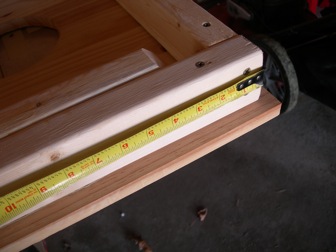
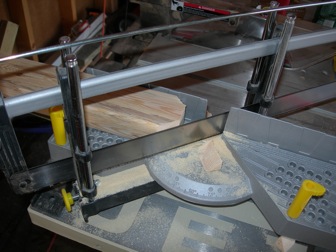
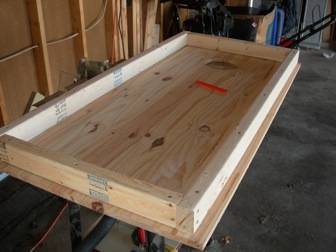
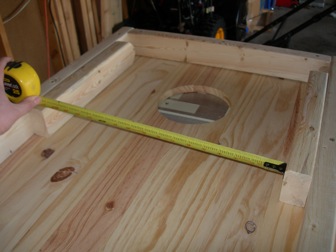
Official board footprint: 48“ long × 24“ wide. That’s the whole game—match it and nobody can call your set “house rules.”
Build the box
Rip your 1×2 stock into a rectangular frame that supports the full panel. Dry-fit the pine top before you commit—warp happens, and arguing with wood mid-glue-up is a bad time.
Glue the joints, then fasten
Hit the frame joints with wood glue and screws (or nails). Screws alone hold; glue makes it feel like one piece of wood after a season of trunk rides.
Pocket holes = cleaner look
Face-screwing works. Pocket-hole joinery (Kreg-style jig) hides the screw heads so the frame doesn’t look like a hardware-store demo board. If you’re building more than one set, this is the beginner upgrade that pays off every time.
Speed option: nail gun
Assembling a pile of frames? A nail gun keeps joints consistent and your Saturday shorter. Still use glue—nails aren’t a personality.
Soft edges
Run a 1/4“ roundover bit on exposed edges (router or router table). Bags, shins, and coolers will thank you. Feels store-bought without the store markup.
Countersink if you’re painting
Planning paint or stain on the top? Countersink and fill screws so they don’t telegraph through the finish later. Smooth base = less “why is there a volcano under my team logo.”
Stick the top down
Liquid Nails (or similar construction adhesive) plus screws turns “wobbly DIY” into “yeah, I built that.” Keep the top flush; proud edges catch bags and look like you quit early.
Reality check
You’re making a pair. Cut both frames the same weekend so they match. Future-you at the cookout will appreciate not explaining why board B is “basically regulation.”